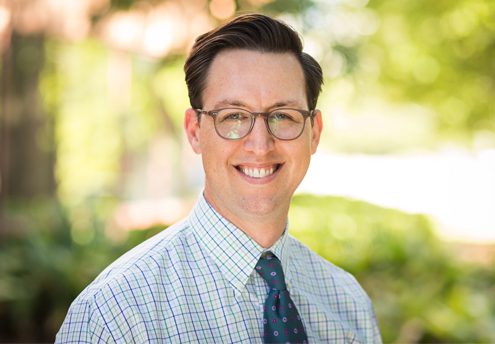
Will Bulsiewicz 1 source tracked
Board-certified gastroenterologist, U.S. Medical Director at ZOE, and New York Times bestselling author known for work on the gut microbiome and dietary fiber.
About Will Bulsiewicz →
Will Bulsiewicz, MD, MSCI (known as "Dr. B") is a board-certified gastroenterologist and gut health expert who serves as U.S. Medical Director of ZOE, a personalized nutrition company. He is the New York Times bestselling author of Fiber Fueled and The Fiber Fueled Cookbook, and founder of 38TERA, a microbiome-focused supplement company. He earned his MD from Georgetown University School of Medicine and a Master of Science in Clinical Investigation from Northwestern University, and completed his gastroenterology fellowship at the University of North Carolina at Chapel Hill. His work focuses on the relationship between dietary fiber, the gut microbiome, and plant-based nutrition.
-
In a protocol
Getting a good night's rest has a meaningful positive impact on gut health and IBS symptoms.
“it's shocking what a good night's rest can do
ZS▶ 50:30Certaintyexplicitrecommendation -
Use the Bristol Stool Scale to assess your bowel movements; aim for type 4 (soft, formed, sausage-shaped), as deviations indicate microbiome problems.
“type 4 is nice and balanced right in the middle
ZS▶ 11:03DosageAim for type 4 bowel movements; types 1-3 indicate constipation, 6-7 indicate diarrheaCertaintyexplicitrecommendation -
In a protocol
Eat 30 different varieties of plants per week to build microbiome diversity; start where you are and build up gradually.
“the golden rule is to eat a greater diversity of plants
ZS▶ 55:26Dosage30 different plant varieties per week; build gradually if starting from lessCaveatsDon't jump from 5 to 30 overnight; build up like training a muscleCertaintyexplicitstrong endorsement -
In a protocol
Add fermented foods to your plate to support gut microbiome health, sitting at the intersection of probiotics and nutrition.
“add fermented food to your plate
ZS▶ 54:50Certaintyexplicitrecommendation -
A low FODMAP diet can reduce IBS symptoms short-term by limiting fermentable carbs, but should be temporary with gradual reintroduction of foods.
“People who follow this dietary pattern, if you have IBS, will generally experience an improvement
ZS▶ 41:10DosageTemporary use; gradually reintroduce FODMAPs and fiber over timeCaveatsShould be temporary; long-term restriction is counterproductive; goal is variety and abundanceCertaintyexplicitrecommendation -
In a protocol
Get morning sunlight exposure because it supports gut serotonin production and improves mood.
“getting exposure to morning sunlight
ZS▶ 56:10DosageMorning exposureCertaintyexplicitrecommendation -
In a protocol
Probiotic supplements can play a role in supporting the gut microbiome alongside dietary changes.
“supplementing probiotics
ZS▶ 51:05CaveatsDiet should be primary; further nuance discussed elsewhereCertaintyexplicitrecommendation -
Eating fiber that feeds gut microbes produces short-chain fatty acids which soothe gut nerves and are the most anti-inflammatory chemicals, reducing visceral sensitivity.
“short chain fatty acids actually have a soothing effect on the nerves
ZS▶ 36:40DosageVia dietary fiber intakeCertaintyexplicitrecommendation -
In a protocol
For IBS patients unresponsive to diet/lifestyle who have past trauma, working with a trained professional to address trauma can resolve symptoms.
“turn towards that with the help of someone who's a trained professional
ZS▶ 54:10CaveatsRequires trained professional guidanceCertaintyexplicitrecommendation -
Endorsement
The ZOE testing kit can measure your gut microbiome and track changes after dietary interventions.
“we can do gut testing using the Zoe kit
ZS▶ 43:00Certaintyexplicitrecommendation