30-Day Dopamine Fast Protocol
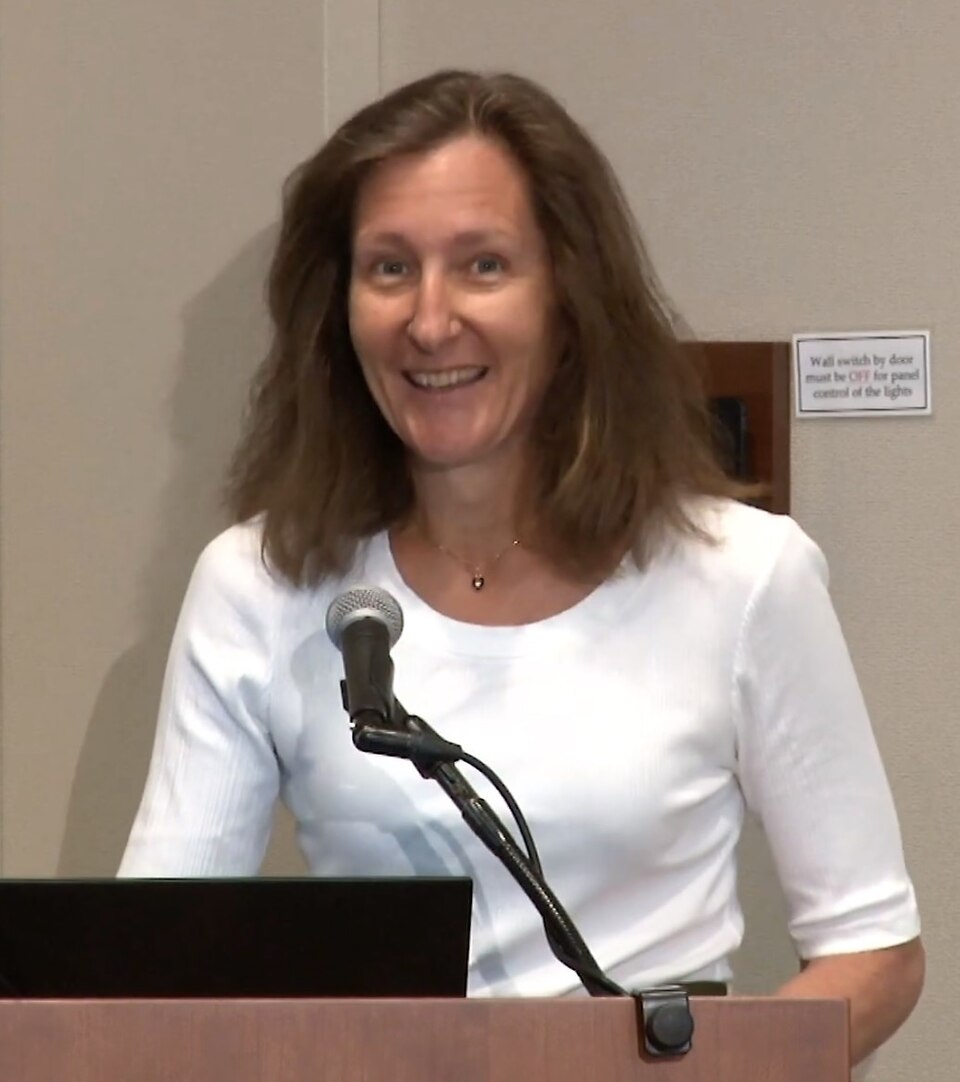
Lembke's clinical protocol for resetting reward pathways: 30 days of abstinence from the substance/behavior of concern, framed as an experiment.
Assembled by Cited from Anna Lembke's recorded recommendations across multiple sources. It is not an ordered program and was not created or endorsed by them — it's our grouping of what they've said on the record.
Components
3-
Guest recommendation In a protocol
Lembke recommends a 30-day abstinence from the substance or behavior of concern as an experiment, because roughly 30 days is the average time needed to begin resetting reward pathways.
“give it up for 30 days, not a lifetime
HL▶ 20:00Dosage30 days of abstinence; acute withdrawal typically 10-14 days, most feel significantly better by weeks 3-4CaveatsSevere cases may need higher level of care; not a complete recovery program on its ownCertaintyexplicitrecommendation30 days of abstinence; acute withdrawal 10-14 days, most feel better by weeks 3-4 -
Guest recommendation In a protocol
Lembke cites data that people addicted to both alcohol and nicotine who quit both simultaneously have better long-term outcomes than those who quit only alcohol.
“people who gave up both at the same time tend to have better outcomes
HL▶ 19:40DosageQuit both at the same timeCaveatsMeet patients where they are; not always feasibleCertaintyexplicitrecommendationFor co-occurring alcohol+nicotine, quit both simultaneously for better outcomes -
Guest recommendation In a protocol
Lembke endorses professional interventionists, often with lived experience of addiction, as helpful for families struggling with an addicted member.
“There are wonderful interventionists out there
HL▶ 35:10CertaintyexplicitrecommendationInterventionists can help families initiate the process when the person won't engage